
Do You Need Gap Insurance on a Used Car?
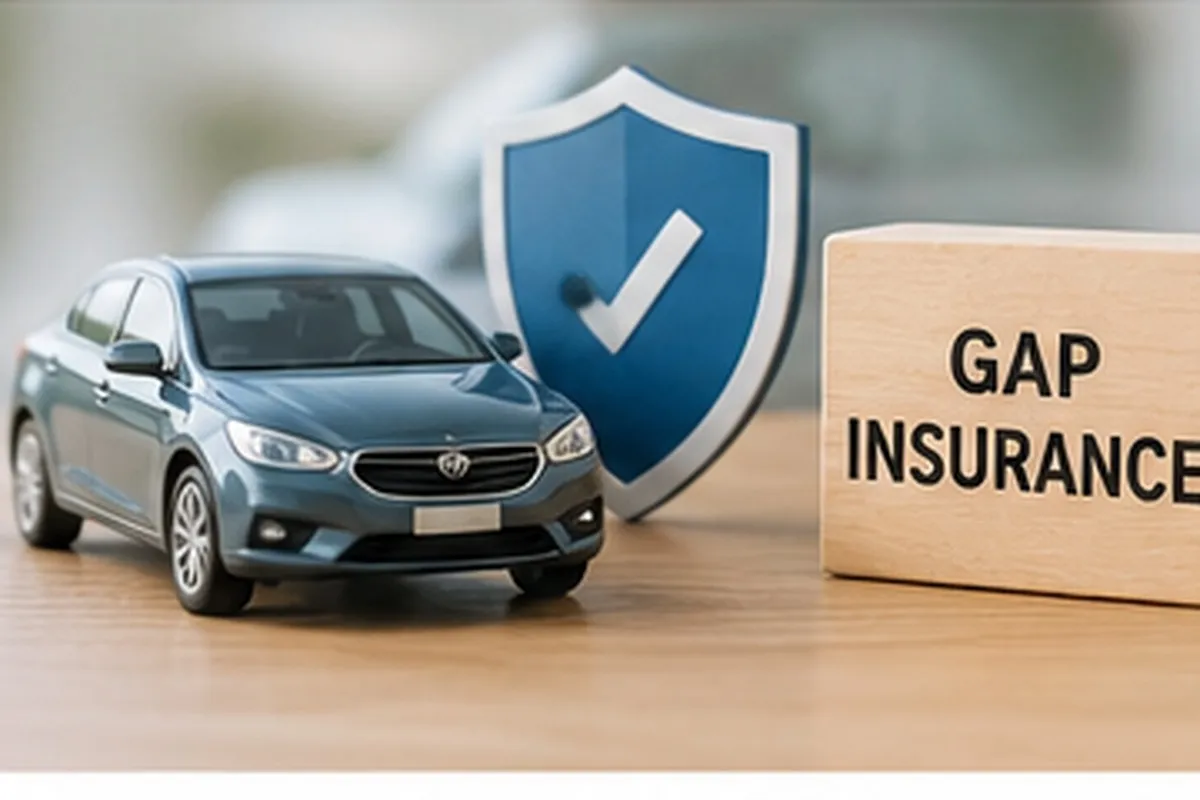
You need gap insurance on a used car if you owe, or will owe, more on the loan than the car is worth. That's most common when you put little or nothing down, choose a long loan term, or roll negative equity from a trade-in into the new loan. If you're putting down a solid down payment on a short loan, you can usually skip it.
What is gap insurance?
Gap insurance covers the "gap" between what your car is worth and what you still owe on it. If the car is totaled or stolen, your regular auto insurance pays the car's current market value, not your loan balance. If the loan balance is higher, gap coverage can pay the difference so you aren't left making payments on a car you no longer have.
How does the gap happen on a used car?
Cars lose value over time, and a loan balance can shrink more slowly than the car's value does, especially early in the loan. The gap is largest when:
- You made a small down payment or none at all
- You chose a longer term, such as the 72-month loans we cover in our guide to whether a 72-month car loan is a good idea
- You rolled a balance from a previous loan into this one
- You financed taxes, fees, or add-ons along with the car
Do you need gap insurance if you put money down?
Often not. A meaningful down payment, many buyers aim for 10% to 20%, keeps your loan balance closer to the car's value. If your loan is well below what the car would be worth, there may be no gap to cover. Check your numbers: compare your payoff amount to the car's market value, and revisit that comparison as you pay the loan down.
What doesn't gap insurance cover?
Policies differ, so read the terms. Common exclusions include your insurance deductible, missed or late payments, and sometimes amounts above a set percentage of the car's value. Gap coverage also doesn't repair a damaged car. It only applies when the car is a total loss or stolen and not recovered.
Where can you buy gap insurance?
There are usually two places: your own auto insurance company, which may add it to your policy, or the dealer or lender at the time of financing. Prices and terms vary, so ask for both and compare. You generally aren't required to buy it from the dealer, and you can ask for the price in writing before you agree. It's also worth asking whether you can cancel and get a refund of the unused portion if you pay off the loan early.
Can you finance a used car online with gap coverage?
Yes. You can shop, get financing, and review any optional coverage before you sign. Browse the used car inventory to see what's available, and read how used car financing in Utah works so you know what to expect from the loan.
Frequently asked questions
Is gap insurance required?
Usually no. Some lenders may require it on certain loans, so check your loan terms. Otherwise it's optional.
Does gap insurance cover my deductible?
Often not. Many policies leave the deductible for you to pay, so read the policy.
Can I cancel gap insurance later?
In many cases, yes, and you may get a partial refund if you pay off the loan early. Ask about the cancellation terms before you buy.
Do I still need gap insurance if I pay off the loan faster?
Once you owe less than the car is worth, there's no gap left to cover, so you can generally drop it at that point.
More from Keysy Resources

Can You Buy a Car With a Cosigner? How It Works and What It Risks
Buying a car with a cosigner can help you qualify, but both signers take on repayment risk. Learn how it works and what to discuss before signing.
What Is the Difference Between APR and Interest Rate on a Car Loan?
The interest rate is the cost of borrowing. The APR adds certain lender fees to it, which makes APR the better number for comparing car loans. Here's what each covers and what to ask before you sign.
Should You Refinance Your Car Loan? When It Saves Money and When It Doesn't
Refinancing a car loan can lower your APR or payment, but only in the right situation. Here's when it saves money, when it doesn't, and how to compare offers.