
Can You Trade In a Car You Still Owe Money On?
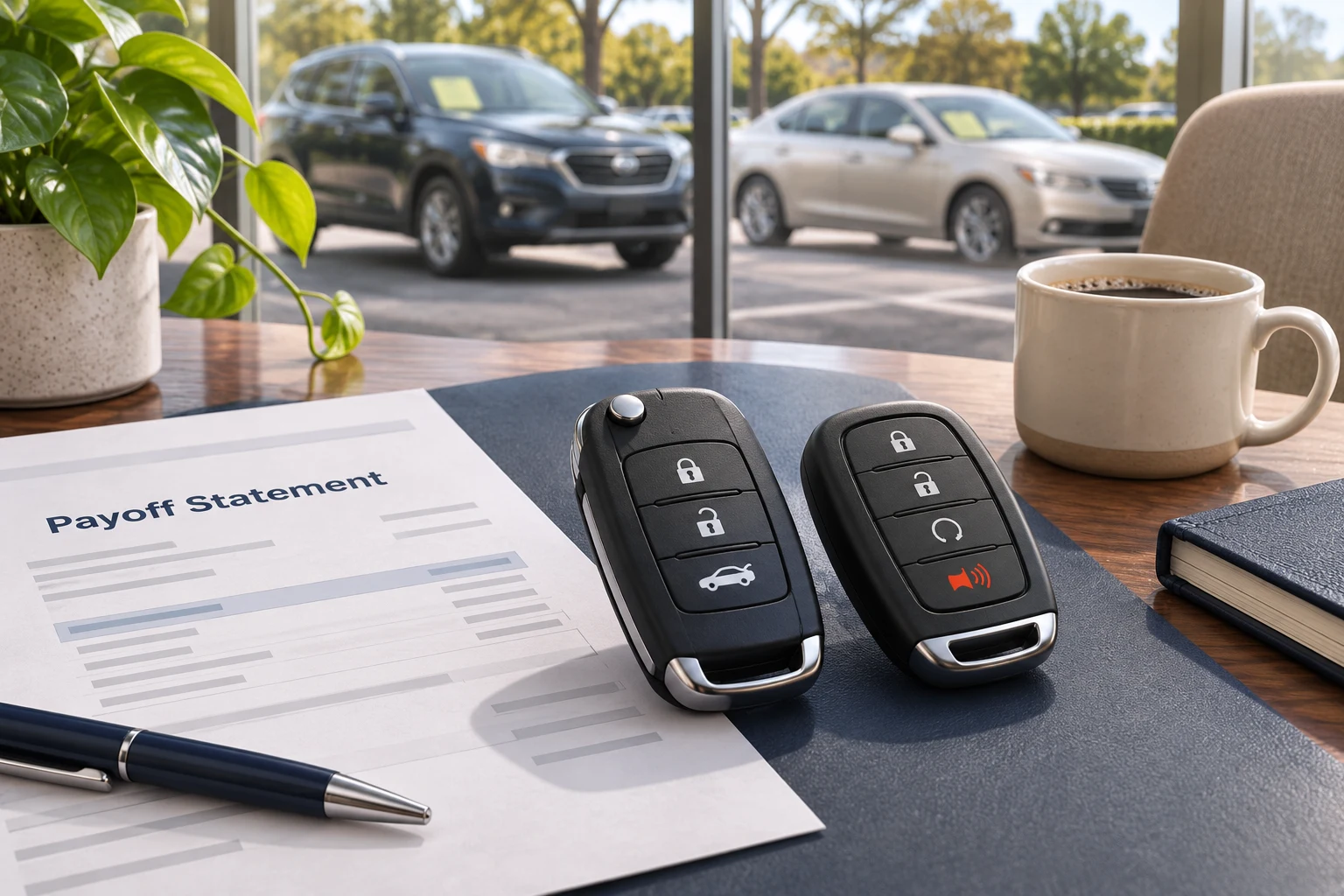
Can you trade in a car you still owe money on? Yes. The dealer pays off your loan as part of the deal, and what happens next depends on one comparison: what the car is worth versus what you owe. If it's worth more, the difference is equity you can put toward your next car. If it's worth less, that gap is negative equity, and it has to be paid some way.
How does trading in a car with a loan work?
The dealer appraises your car and agrees on a trade-in value. They then request a payoff amount from your lender and send that money to close your old loan. Whatever is left over, if anything, goes toward your next purchase. You'll still sign the paperwork for the new car, and the dealer typically handles the title transfer with your lender.
What is positive and negative equity?
- Positive equity: your car is worth more than your payoff. The difference works like a down payment.
- Negative equity (sometimes called being "upside down" or "underwater"): you owe more than the car is worth. The gap doesn't disappear when you trade.
To check where you stand, get your payoff amount from your lender (it's different from your balance, because it includes interest through the payoff date) and compare it with a realistic trade-in value.
What happens if you owe more than the car is worth?
You have a few options:
- Pay the gap in cash at the time of the trade. This keeps your next loan clean.
- Roll it into the new loan. Some lenders allow it, but you'll borrow more than the new car is worth and pay interest on the old debt.
- Wait and pay the loan down. Extra payments toward principal can close the gap before you trade.
- Choose a less expensive car. A lower price leaves room in the budget for the gap.
Is it a bad idea to roll negative equity into a new loan?
Often, yes, though it isn't always avoidable. Rolling over debt raises your loan amount, which can mean a higher payment or a longer term. It also makes it more likely you'll be upside down again on the next car. Lenders may limit how much negative equity they'll finance, and approval depends on your credit and the loan terms. If you do roll it in, keep the term short enough that you're building equity, and read our guide on whether a 72-month car loan is a good idea.
How can you get the most for your trade-in?
- Know your payoff amount before you walk in.
- Get a trade-in offer in writing, separate from the price of the car you're buying.
- Compare it with what you'd net selling privately. We cover that in Should You Trade In Your Car or Sell It Privately?
- Ask for an out-the-door price so the trade, taxes and fees are all visible. See What Is an Out-the-Door Price?
What should you do next?
Get your payoff amount, get a realistic value for your car, and decide how you'd cover any gap. Then browse cars that fit your budget in our used car inventory.
FAQ
Can I trade in a car that isn't paid off?
Yes. The dealer pays off your lender as part of the transaction, and any leftover value goes toward your next car.
What if I owe more than my car is worth?
You can pay the difference in cash, roll it into the new loan if the lender allows it, or wait and pay your loan down first.
Does the dealer pay off my loan directly?
Typically, yes. The dealer requests a payoff from your lender and sends the funds. Keep making payments until you confirm the loan is closed.
Will trading in a car with negative equity hurt my credit?
The trade itself doesn't. A larger new loan can raise your payment and risk, so check the numbers before you sign.
More from Keysy Resources

Should You Trade In Your Car or Sell It Privately?
Selling privately usually gets you more money. Trading in is faster, simpler, and in Utah it can lower the sales tax on your next car. Here's how to weigh the two.

Can I Trade In a Car That Still Has a Loan?
Yes, and it's one of the most common trades. Here's how loan payoff, equity, and the paperwork work.
How Do You Read a Vehicle History Report Before Buying a Used Car?
A vehicle history report shows a used car's title, accident, service and ownership records. Here's how to read one, which entries are red flags, and what it can't tell you.