
Should You Get a Pre-Purchase Inspection Before Buying a Used Car?
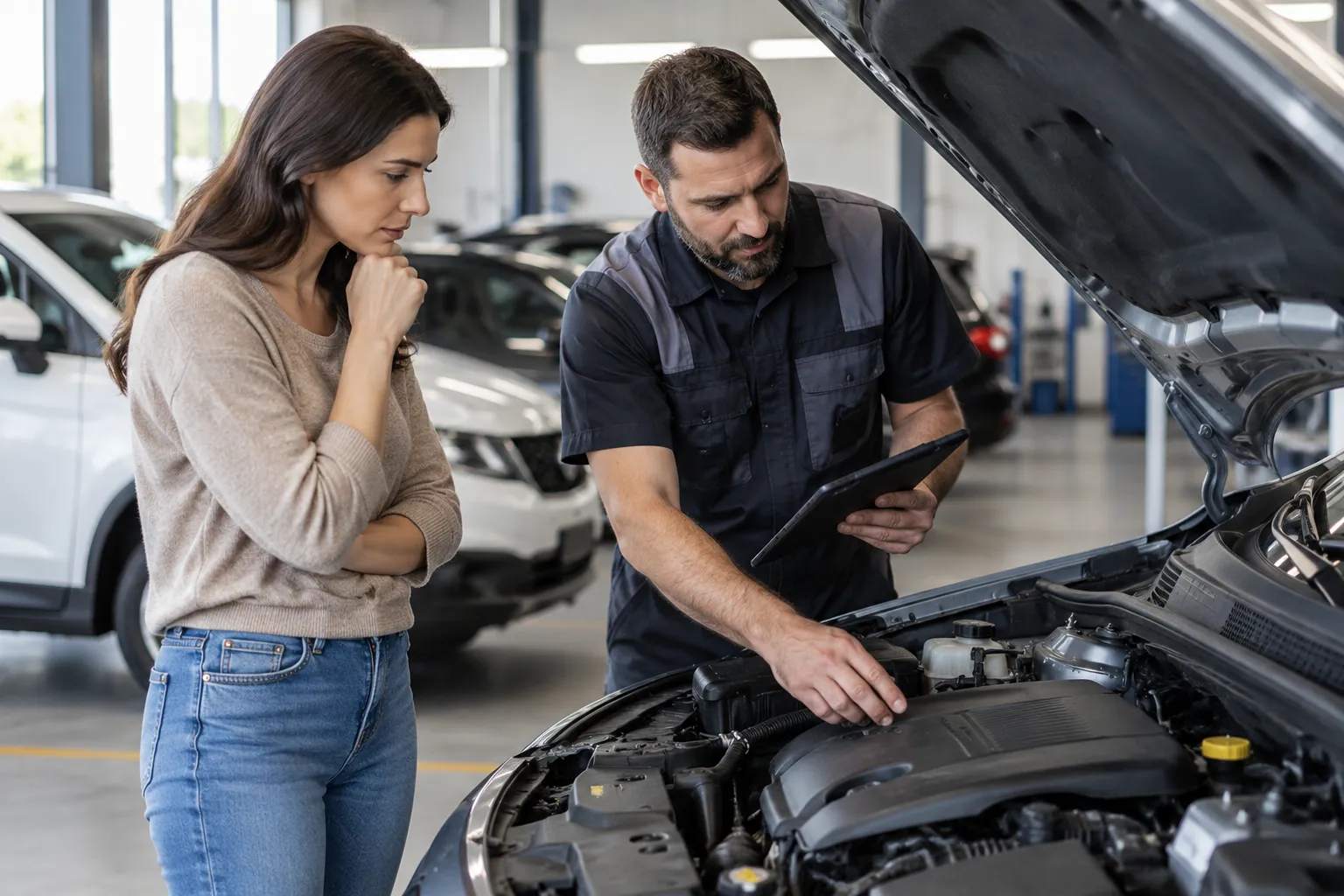
Yes, you should get a pre-purchase inspection before buying a used car. It's an independent mechanic's check of the car's condition, and it usually costs far less than the repairs it can help you avoid. A history report tells you what happened to a car on paper. An inspection tells you what shape it's in today.
What is a pre-purchase inspection?
A pre-purchase inspection (PPI) is a hands-on examination of a specific vehicle by a mechanic you choose. The mechanic puts the car on a lift, checks it over, and gives you a written list of what's fine, what's worn, and what needs attention. Because the mechanic works for you and not the seller, you get an unbiased read on the car.
What does a pre-purchase inspection cover?
Shops differ, but a good inspection generally includes:
- Engine and transmission: leaks, unusual noises, fluid condition, and how the car shifts.
- Brakes, tires, and suspension: pad and rotor wear, uneven tire wear, and worn components.
- Frame and body: signs of past accident repair, rust, or mismatched paint.
- Electronics and safety systems: warning lights, windows, A/C, and driver-assist features.
- A diagnostic scan: stored trouble codes that aren't showing on the dash.
- A test drive: how the car steers, brakes, and tracks on the road.
Is a pre-purchase inspection worth the money?
For most used cars, yes. Ask the shop for its price up front, then compare it to what a surprise repair could cost: a transmission, a head gasket, or hidden accident damage can run into the thousands. An inspection can also give you a reason to negotiate. If the mechanic finds worn brakes or aging tires, you can ask the seller to fix them or adjust the price.
An inspection matters most when the car is older, has higher miles, or has a spotty record. If you're weighing mileage, see our guide on how many miles is too many on a used car.
Does a vehicle history report replace an inspection?
No. A history report shows reported accidents, title status, and service records. It can't see worn parts or damage that was never reported. Use both. Start with the used car history check, then confirm the car's condition with an inspection.
How do you get an inspection when you buy online?
Buying online doesn't mean skipping the inspection. The steps are simple:
- Pick a car you're serious about and ask the dealer if you can take it to an independent shop before you finalize the deal.
- Choose a mechanic you trust, ideally one that doesn't sell cars.
- Share the report with the dealer and talk through any findings before you sign.
A dealer who's confident in a car should welcome the request. If a seller refuses to allow an independent inspection, treat that as a warning sign. To see how the rest of the process fits together, read about buying a car online in Utah, or browse used cars on Keysy.
FAQ
How long does a pre-purchase inspection take?
Most take about an hour or two, depending on the shop and the vehicle. Ask the shop when you book.
Who pays for the inspection?
Usually the buyer. That's what keeps the mechanic independent of the seller.
Should I inspect a certified pre-owned car?
Certified programs include their own inspection, but it's performed by the seller's side. An independent check is still a reasonable second opinion.
What if the inspection finds problems?
You can ask the seller to repair them, negotiate the price, or walk away. Get any agreed repairs in writing before you sign.
More from Keysy Resources
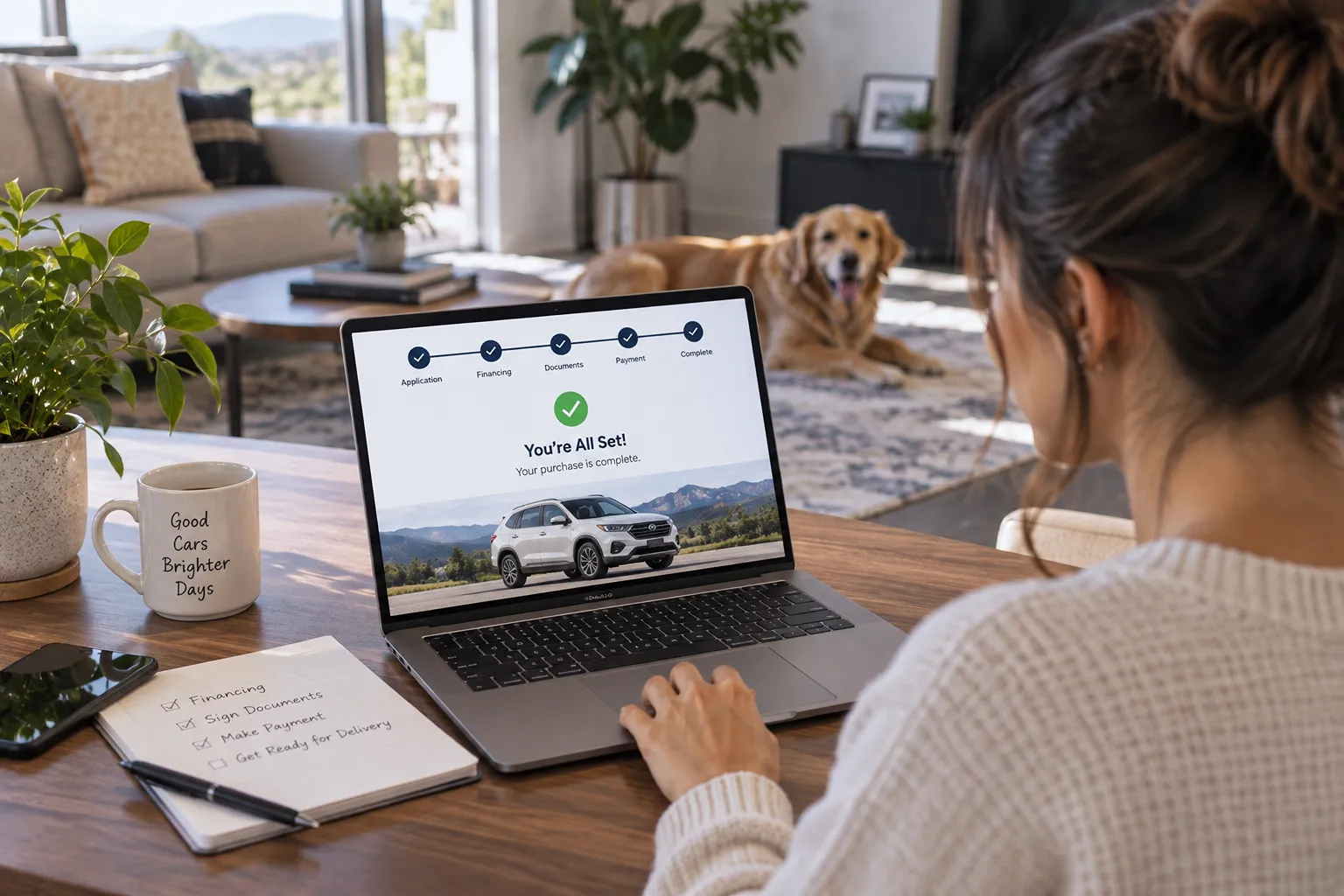
What Happens After You Sign When You Buy a Used Car Online?
Signing is only the middle of an online car purchase. Here's what happens next: pickup or delivery, your first inspection of the car, paperwork, and your return window.
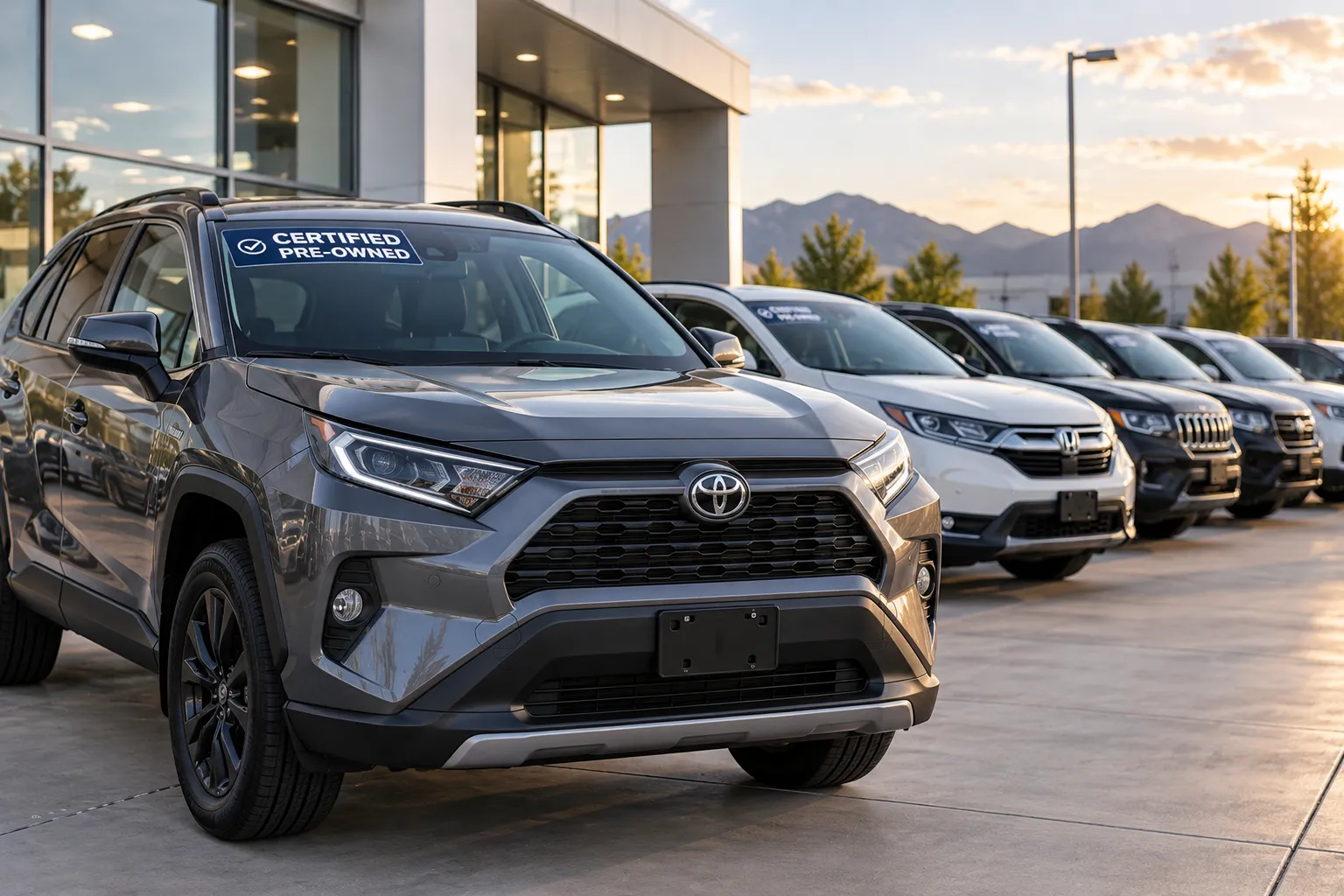
Is a Certified Pre-Owned Car Worth the Extra Cost?
A certified pre-owned car usually costs more than a similar non-certified one, in exchange for an inspection and extra warranty coverage. Here's what CPO covers and how to decide if it's worth it for you.

What Is an Out-the-Door Price, and Why Should You Ask for It?
The out-the-door price is the full amount you pay for a car, including taxes, title, registration, and dealer fees. Here's what's in it, and how to get a straight number before you commit.