
How Do You Negotiate the Price of a Used Car?
To negotiate the price of a used car, find out what similar cars are actually listed for, settle on the total you'll pay rather than the monthly payment, and be ready to walk away if the numbers don't work. Most of the leverage comes from preparation, not from tough talk.
How do you know what a used car is worth?
Start with comparable listings: the same year, make, model, and trim, with similar mileage, within a reasonable distance. Two or three real asking prices tell you more than a single estimate. Price guides from sources like Kelley Blue Book or Edmunds are a useful cross-check, but condition, options, and local demand move the number.
You can browse current cars on the Keysy used car inventory to see how prices compare for the model you want. Then check the car's history. Our guide on checking a used car's history covers what to look for, since accidents or gaps in records are fair reasons to ask for a lower price.
What should you negotiate: price, payment, or total?
Negotiate the total. A low monthly payment can hide a long loan term or extra add-ons. Ask for the out-the-door price, which includes the car, taxes, title, registration, and fees. We explain this in what an out-the-door price is and why to ask for it.
Handle the pieces separately where you can: the price of the car, your trade-in value if you have one, and the financing. Mixing them lets a good number in one area cover for a weak one in another.
What gives you leverage on a used car price?
- Comparable listings. Similar cars priced lower are the strongest argument you can make.
- Findings from an inspection. A pre-purchase inspection that turns up worn brakes or tires gives you a specific reason to ask for a lower price or a repair.
- Time on the lot. A car that has been listed for a while may have more room to move than one that was posted yesterday.
- Your financing. Arriving with a pre-approval means the dealer is competing for your loan rather than controlling it.
- A willingness to leave. Another car is always out there. Saying so politely is often enough.
How do you make an offer?
Keep it short and specific. Name the car, say what you've found for comparable cars, and give a number you're comfortable with. Ask for the offer in writing, with the out-the-door total itemized. If the answer is no, ask what they can do rather than raising your offer right away.
Be reasonable. An offer far below the asking price on a fairly priced car usually ends the conversation. A modest, well-supported offer is more likely to get a real response.
Can you negotiate when the price is already posted?
It depends on the seller. Some dealers use upfront pricing and don't move much, because the price was set close to the market from the start. That can be a good thing: you spend less time haggling and can focus on whether the car is right. Even then, you can still ask about fees, add-ons, your trade-in value, and the financing rate. If you're buying online, the process of buying a car online in Utah lets you compare these numbers at your own pace.
Frequently asked questions
Should you tell the dealer how you plan to pay?
Settle the price of the car first, then bring up financing or your trade-in. That keeps each number clear.
Is it rude to make a lower offer?
No, as long as it's reasonable and backed by comparable listings or inspection findings.
What should you do if the dealer won't budge?
Ask whether they can reduce fees, add accessories, or improve your trade-in value. If none of that works, you can walk away and keep looking.
Does a lower price mean a worse car?
Not necessarily. Check the history report and get an inspection so you're judging the car rather than the price.
More from Keysy Resources
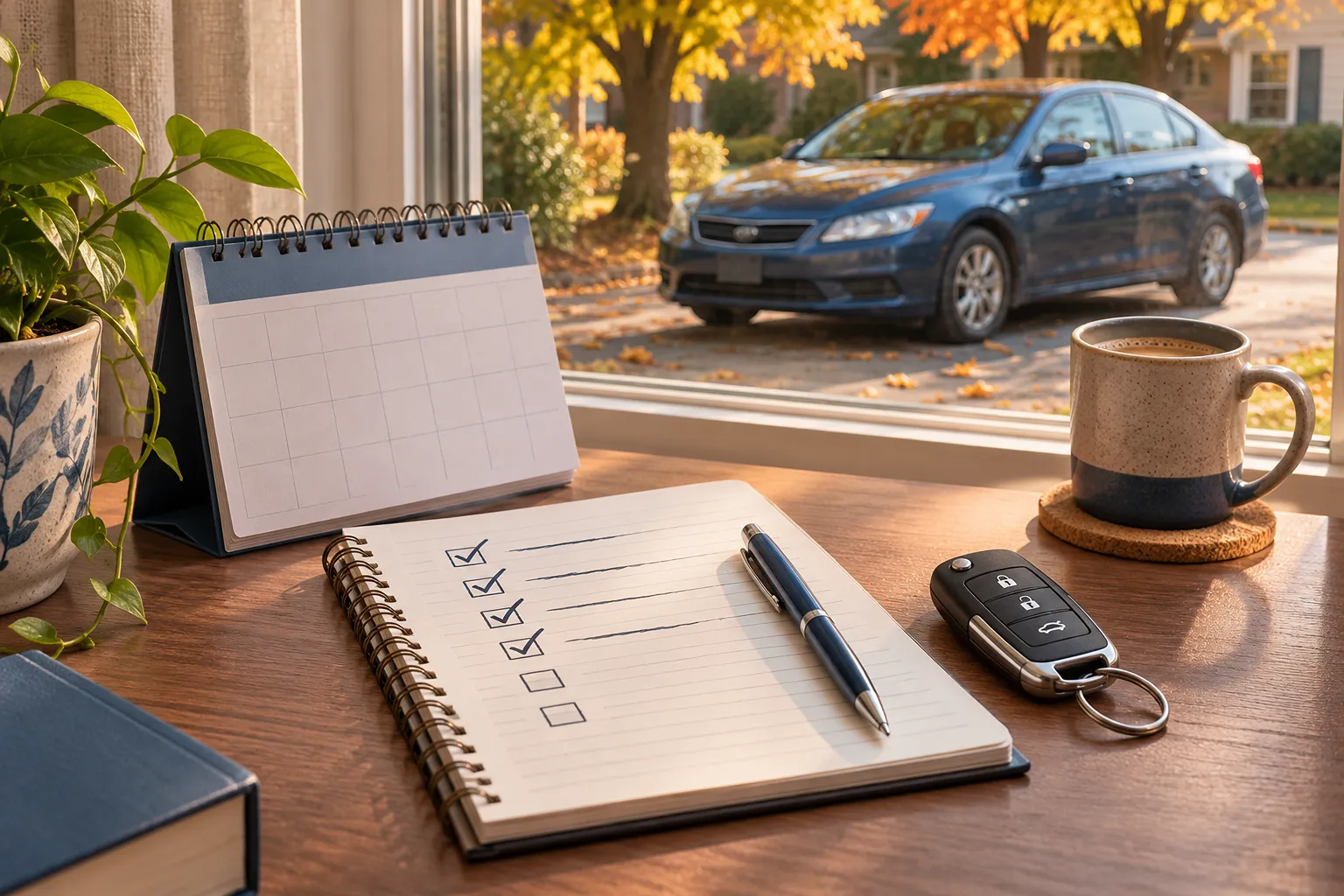
When Is the Best Time to Buy a Used Car?
The best time to buy a used car is when your budget, financing, and research are done. Month-end and seasonal timing can help a little, but they matter far less than being prepared.
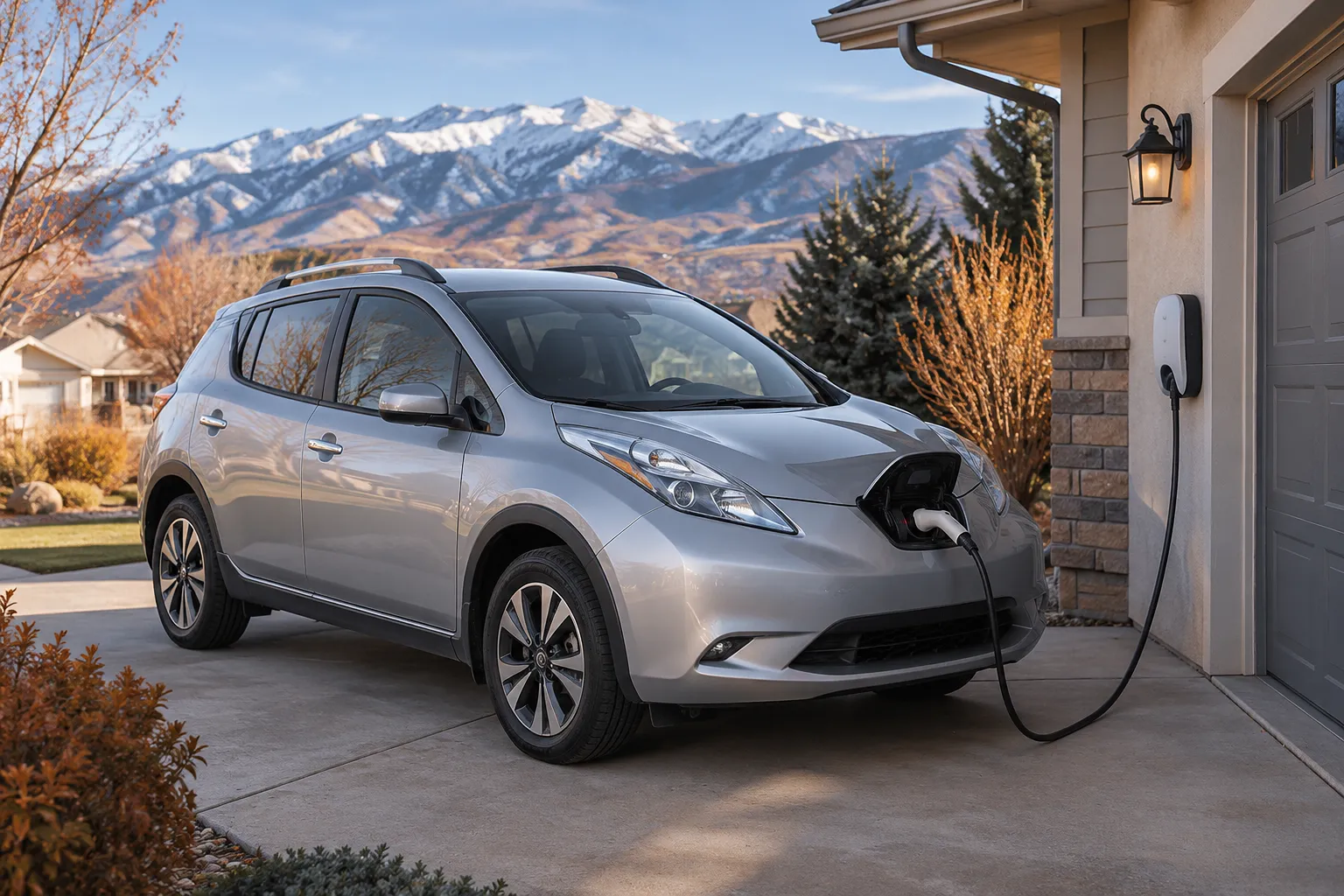
Is a Used Electric Car Worth Buying? What to Check First
A used electric car is worth buying when the battery is healthy, you can charge at home, and the price reflects the car's age and mileage. Here's how to check each one before you sign.
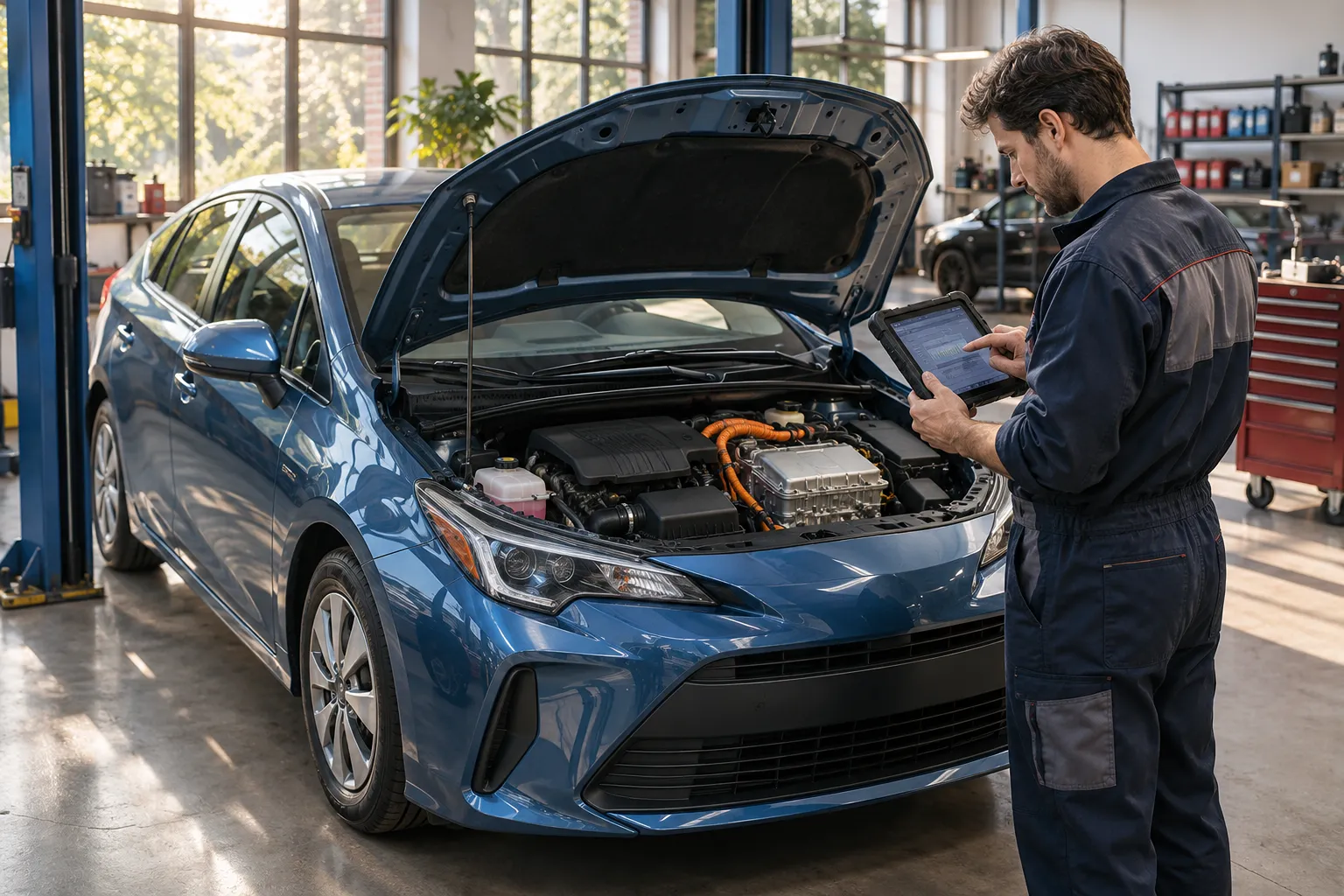
Is a Used Hybrid Worth Buying? What to Check Before You Sign
A used hybrid is worth buying when the hybrid battery is healthy, the maintenance history is clean, and your driving habits let you capture the fuel savings. Here's how to check each one.