
Can You Buy a Used Car If You're Self-Employed? What Lenders Want to See

Yes, you can buy a used car if you're self-employed. Lenders don't care whether you get a paycheck or send invoices. They care that your income is steady and provable. The difference is paperwork: instead of a pay stub, you'll show tax returns and bank records. Gather them before you shop and the process goes much faster.
What do lenders want to see from a self-employed buyer?
A lender is answering one question: will this person make the payment every month? A W-2 employee answers that with pay stubs. You answer it with other documents. Lenders commonly ask for:
- Tax returns. The last one or two years, including all schedules.
- Bank statements. Often two to six months, showing regular deposits.
- 1099s or invoices. Useful if clients pay you directly.
- A profit and loss statement. A simple year-to-date summary helps if your business is newer.
- Proof of identity and residence. The same as any buyer.
Requirements vary by lender, so ask which of these they actually need before you apply.
Which income counts: gross or after write-offs?
This catches many self-employed buyers off guard. Lenders usually look at the income on your tax return after business deductions, not your total revenue. If you write off a lot of expenses, your qualifying income can look lower than what you actually take home. If that's you, bring bank statements too, since they show real cash flow. It's also worth asking the lender how they treat deductions.
How can you improve your odds of approval?
- Keep business and personal money separate. A dedicated business account makes your income easy to read.
- Put more money down. A larger down payment lowers the amount financed and the lender's risk. See how much down payment you need for a used car.
- Pick a car that fits your real budget. Income can swing month to month, so choose a payment you can cover in a slow month.
- Consider a cosigner. It can help, but it puts someone else on the hook. Read how a cosigner works and what it risks first.
- Get pre-qualified. A pre-qualification gives you a realistic range before you shop.
Does being self-employed mean a higher interest rate?
Not by itself. Your rate depends mostly on your credit, your down payment, the car, and the loan term. Self-employment only matters if the lender can't verify your income cleanly, which is why good records matter. If your credit is a concern, read used car financing in Utah for what to expect.
What if my income is new or irregular?
A business under a couple of years old, or income that varies a lot, can make approval harder. Lenders may average your income over a longer period. A bigger down payment, a lower-priced car, or a cosigner can offset that. Be upfront about it; surprises during underwriting slow things down.
Can you do all of this online?
Yes. You can upload documents, e-sign, and arrange delivery without visiting a lot. See how to buy a used car completely online in Utah, then browse what's available on our used car inventory.
Frequently asked questions
How many years of tax returns do I need? Many lenders ask for one to two years. Ask yours before you apply.
Can I use bank statements instead of tax returns? Some lenders accept them, especially for newer businesses. Not all do.
Do I need a down payment? Not always, but a larger one improves your chances and lowers your payment.
Will applying hurt my credit? Pre-qualification typically uses a soft check. A full application usually involves a hard inquiry.
More from Keysy Resources
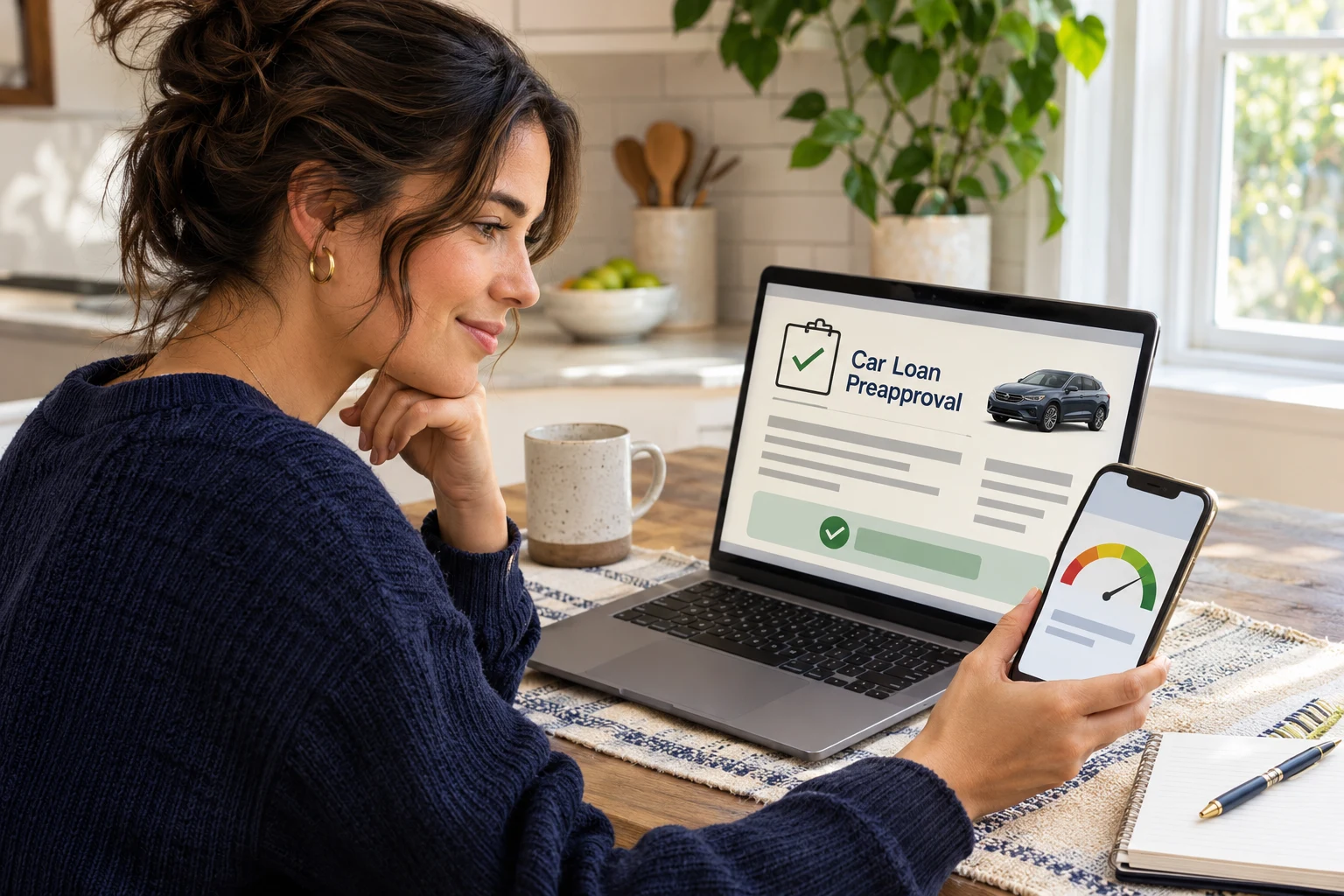
Does Getting Pre-Approved for a Car Loan Hurt Your Credit?
Pre-qualifying usually uses a soft credit pull with no score impact, while a full approval uses a hard pull that can dip your score slightly. Here's how to compare rates without hurting your credit.
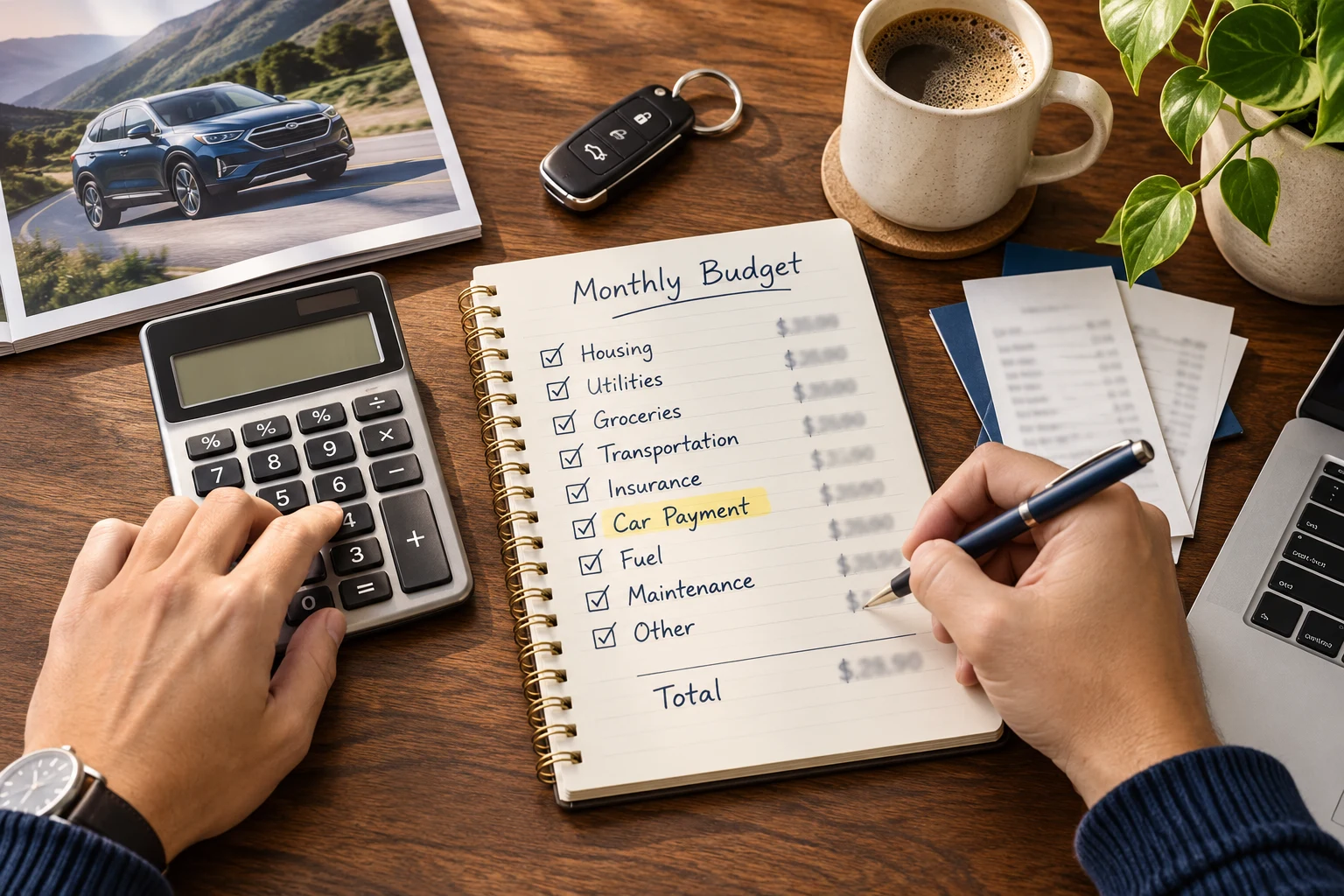
How Much Car Can You Afford? A Simple Way to Set Your Used Car Budget
The car you can afford is the one whose full monthly cost fits your budget without stretching the loan. Here's a simple way to work out your number before you shop.

Can You Buy a Used Car With Bad Credit in Utah?
Yes, you can buy a used car with bad credit in Utah, but the loan will usually cost more. Here's how lenders decide, how to improve your odds, and which traps to avoid.