
When To Cut A Car Loose: Why Dealers Hold Onto Bad Inventory Too Long
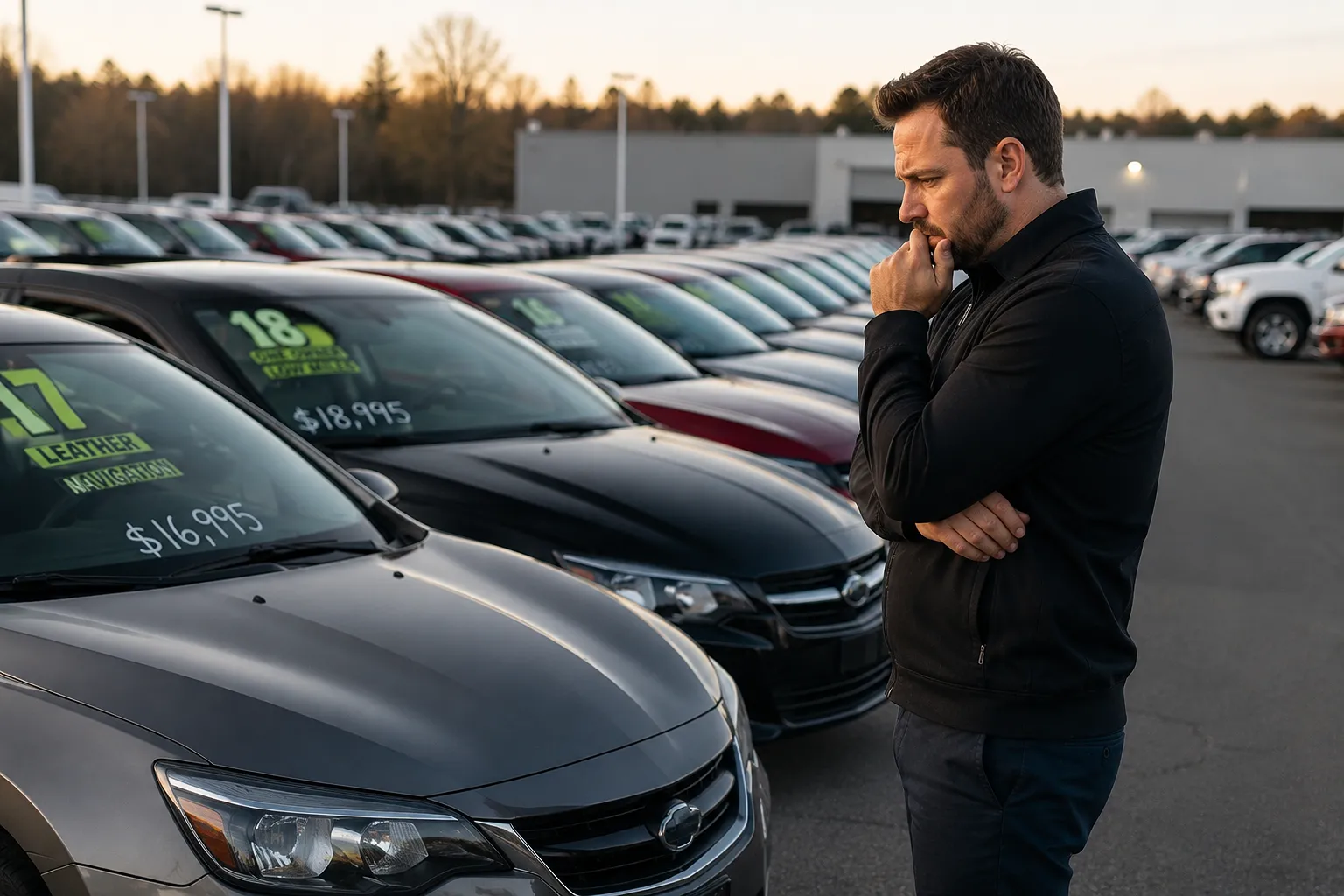
I'm convinced some dealers would rather lose $5,000 than admit they lost $500.
And before anyone gets offended...
I've been that dealer.
You buy a car.
Maybe the market shifts.
Maybe another dealer starts pricing aggressively.
Maybe demand wasn't what you thought it would be.
Whatever the reason, the car stops getting attention.
The leads dry up.
The views slow down.
The phone stops ringing.
And now you've got a decision to make.
Lower the price.
Or wait.
Most dealers wait.
The Problem Isn't The Market
The problem is our ego.
Because the moment we lower the price, we feel like we're admitting we were wrong.
Wrong about the appraisal.
Wrong about the market.
Wrong about the demand.
Wrong about the car.
So instead of making a business decision, we make an emotional decision.
We defend our position.
We justify our number.
We tell ourselves the right buyer is coming.
And while we're waiting...
The market keeps moving.
The Market Doesn't Care What We Own It For
This is one of the hardest lessons I learned in the car business.
The market does not care what you paid.
The market does not care what you own it for.
The market does not care how much recon you put into it.
The market only cares about one thing.
What is the vehicle worth today?
That's it.
Nothing else matters.
I've watched dealers argue with the market for months.
I've never seen the market lose.
Hope Is Not A Pricing Strategy
One of the most expensive words in the car business is:
"Hopefully."
Hopefully somebody comes in.
Hopefully tax season helps.
Hopefully somebody needs this exact configuration.
Hopefully next weekend is better.
Hopefully the market comes back.
Hope is great in life.
Hope is terrible in inventory management.
The longer a car sits, the more expensive that hope becomes.
The Question That Changed Everything For Me
Years ago I started asking myself a simple question.
"If this car sold today, would I buy it again tomorrow?"
That question removes all the emotion.
Because if the answer is no...
Why am I still holding it?
Why am I fighting for it?
Why am I protecting it?
Why am I letting it take up space, attention, and capital?
The answer is usually because I'm emotionally attached to a decision I already made.
The Best Dealers Move First
The best operators I've ever known don't wait for disaster.
They make adjustments early.
They watch market data.
They watch lead activity.
They watch engagement.
And when the market tells them something, they listen.
Fast.
They understand something most dealers never learn.
The first price reduction is usually the cheapest one.
The second is more expensive.
The third is even worse.
And by the time most dealers finally react, they've spent months losing money they could have saved.
My Rule Today
I don't ask myself how much money I'll lose by lowering the price.
I ask myself how much money I'll lose if I don't.
That one shift in thinking has saved me more money than almost anything else in my career.
Because after selling more than 30,000 cars, I've learned something that hurts to hear but is almost always true:
Bad inventory doesn't get better with age.
It gets more expensive.
Jared Wheeler - Founder at Keysy.com
More from Keysy Resources
Why Your Best Car Is The One You Don't Own Yet
Dealers spend too much time worrying about the cars they already own and not enough time thinking about the opportunities ahead. After selling 30,000+ vehicles, I've learned your best car isn't the one sitting on your lot today, it's the next one.

The Day I Stopped Falling In Love With Cars
For years I bought inventory based on what I thought was cool. Then I learned a painful lesson: the cars everyone talks about aren't always the cars people buy. After selling 30,000+ vehicles, here's why I stopped falling in love with cars and started buying what actually sells.
The Most Expensive Car On Your Lot Isn't The One You Paid The Most For
very dealer has one. The car that's been sitting for months because nobody wants to take the loss. After selling 30,000+ vehicles, I've learned the most expensive car on your lot isn't the one you paid the most for—it's the one costing you money every day.